

Connected devices, reliable networks and well-designed platforms power the Internet of Things. People will determine its future. Young engineers, analysts, technicians, designers and problem-solvers can bring fresh thinking to connected services.
Across ASEAN, businesses use IoT to solve practical challenges. These range from banking and retail to utilities, renewables, transportation, logistics and agriculture. As deployments grow, the industry needs people who can combine technical knowledge with operational insight.
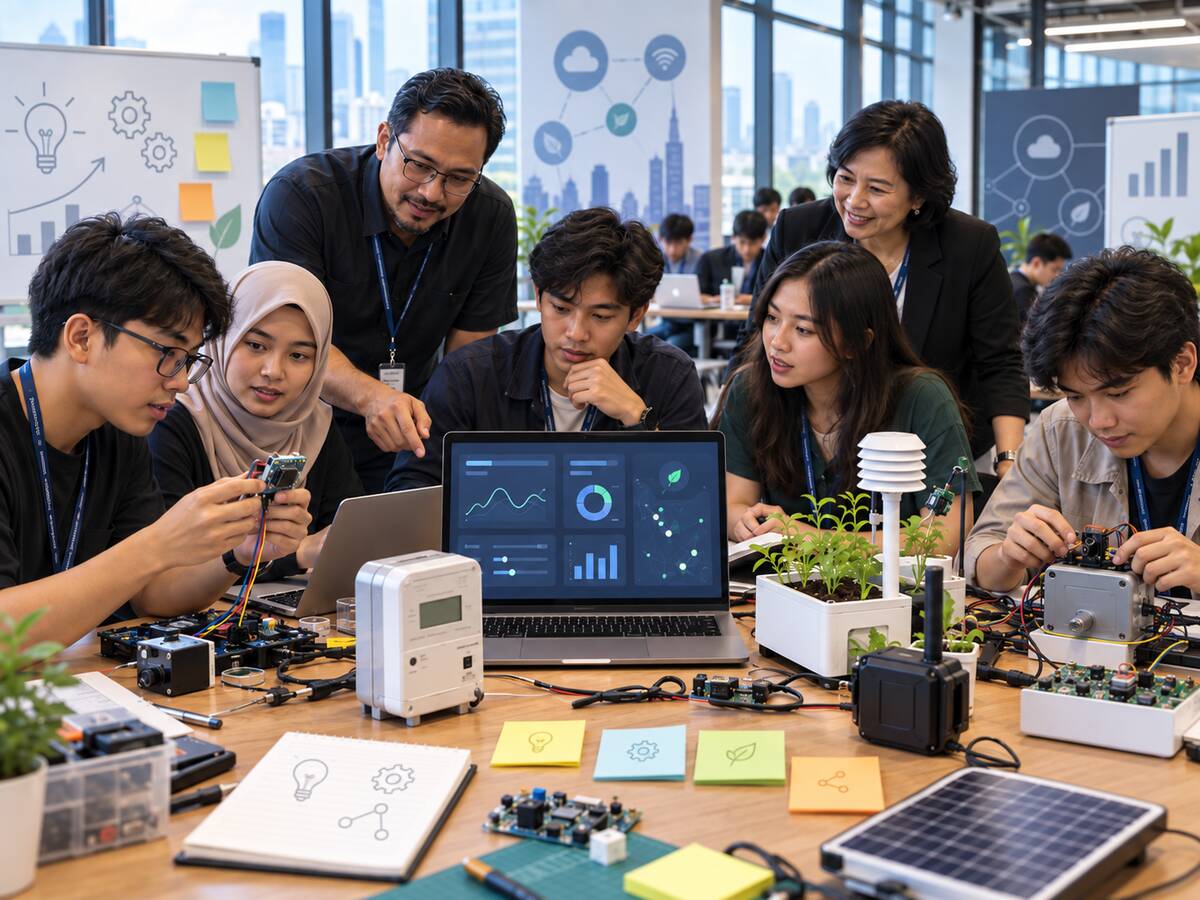
Fresh perspectives for real-world problems
Young talent can challenge assumptions about a process. They may simplify a device workflow. They may also improve a field-data view or make a connected service easier to use. This curiosity matters because every IoT deployment links hardware, connectivity, software, security and operations.
However, fresh ideas deliver more value when experienced teams guide them. Mentorship, practical projects and live operational questions help emerging professionals turn ideas into dependable solutions.
IoT needs more than one discipline
Modern IoT work reaches beyond a single technical role. A successful solution needs connectivity expertise, device lifecycle management, data handling, customer support and industry knowledge. Therefore, IoT creates meaningful entry points for people with different strengths and backgrounds.
Young professionals also benefit from cross-functional learning. It helps them understand a device’s full journey, from deployment to monitoring and support. In turn, organisations build teams that can see the bigger operational picture.
Building confidence through practical experience
Real problems develop IoT capability most effectively. Internships, graduate roles, technical workshops and guided projects give young talent useful experience. Participants learn how devices connect, how teams supervise them, how teams handle data responsibly and how services continue over time.
As a result, businesses can build a stronger pipeline of people who understand their customers and operating environments. This investment creates a more adaptable team today, not only a future workforce.
Hackathons create a practical starting point
Hackathons offer a valuable way to engage young people with IoT. A defined challenge encourages hands-on experimentation, teamwork and rapid learning. For example, teams can explore how connected devices improve asset visibility, monitor infrastructure or support better operational decisions.
For participants, a hackathon makes IoT more tangible than theory alone. Meanwhile, organisations can hear new ideas, meet emerging talent and start useful conversations about real-world challenges.
A shared responsibility for the IoT ecosystem
Developing young talent requires shared effort. Businesses can offer exposure to operational challenges. Experienced professionals can provide context and guidance. Educational institutions can create applied learning opportunities. Young people can bring energy, questions and a willingness to learn across disciplines.
At MY Evolution, we believe connected technology delivers its greatest value when it gives organisations greater visibility, control and confidence. Supporting the people who will shape that technology helps build a resilient IoT ecosystem for the years ahead.
Organisations exploring IoT connectivity, device management or operational support can discuss the practical foundations of a connected deployment with MY Evolution’s team.